ORAL CANCER RISK FACTORS
The major risk factors for oral cancer include tobacco use, alcohol consumption, HPV infection, and prolonged sun exposure.
1. Tobacco Use:
- Smoking tobacco, chewing tobacco, or using smokeless tobacco (like snuff and betel quid) significantly increases the risk of oral cancer.
- The risk increases with the amount and duration of tobacco use.
- Smoking and chewing tobacco together increase the risk even more.
2. Alcohol Consumption:
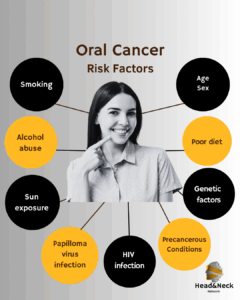
- Excessive alcohol consumption is a well-established risk factor for oral cancer.
- Combining alcohol with tobacco use further increases the risk.
3. Human Papillomavirus (HPV) Infection:
- Some HPV strains, particularly HPV-16, have been linked to oral cancers, especially oropharyngeal cancer.
- While HPV is primarily a sexually transmitted infection, it can also cause oral cancer.
4. Sun Exposure:
- Prolonged exposure to ultraviolet (UV) light from the sun or tanning beds can increase the risk of lip cancer.
5. Other Risk Factors:
- Poor diet: A diet low in fruits and vegetables may increase the risk.
- Weakened immune system: Conditions like HIV/AIDS or immunosuppressant medications can increase the risk of oral cancer.
- Genetic factors: Some people have a genetic predisposition to oral cancer.
- Age: The risk of oral cancer increases with age, particularly after 45.
- Sex: Men are more likely to develop oral cancer than women.
6. Precancerous Conditions:
- Leukoplakia and erythroplakia are precancerous conditions that can sometimes develop into oral cancer if not treated.