
A new study led by researchers at Dartmouth Cancer Center pinpoints why many patients in rural areas experience delays in receiving critical follow-up treatment for head and neck cancer, and what can be done to address those gaps. Published in JAMA Otolaryngology–Head & Neck Surgery, the study examines factors that influence whether patients begin postoperative radiotherapy within the recommended six-week window after surgery, the timeframe known to improve survival for patients with head and neck squamous cell carcinoma.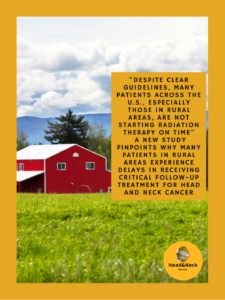
“Despite clear guidelines, many patients across the U.S., especially those in rural areas, are not starting radiation therapy on time,” said lead author Garrett T. Wasp, MD, MPH, a medical oncologist at Dartmouth Cancer Center. “Our goal was to better understand why, by listening directly to patients, caregivers, and care teams.”
Through structured discussions, researchers identified five main interconnected challenges that can delay treatment. These challenges include:
- Difficulties with communication between patients and care teams
- Complex care coordination across multiple providers
- Limited access to dental care required before radiation
- Transportation barriers including unreliable public transportation in rural settings
- The immense emotional and physical strain that often accompanies recovery from cancer surgery.
The study ➡️ https://jamanetwork.com/journals/jamaotolaryngology/fullarticle/2847813