
Cisplatin-based chemoradiation remains a cornerstone in the treatment of head and neck cancers (HNCs), but its use is frequently associated with ototoxicity, characterized by high-frequency sensorineural hearing loss, tinnitus, and occasionally vestibular dysfunction.
Audiometric monitoring protocols are inconsistently implemented across oncology centres and are often limited to cases in which symptoms have already developed.
Early identification of audiometric shifts enables clinicians to consider dose adjustments, treatment modifications, or otoprotective strategies without compromising oncologic efficacy. 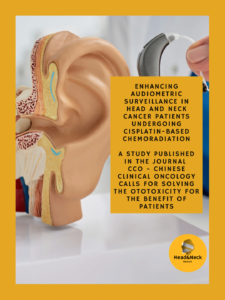
Recent data show that fewer than 5% of adult patients receiving cisplatin adhere to these protocols fully. Recent years have seen advances in both ototoxicity prevention and monitoring.
This study published in the journal CCO – CHINESE CLINICAL ONCOLOGY calls for solving this issue for the benefit of patients, based on data indicating that the inclusion of audiologists or audiometrists in oncology committees and care teams is not a luxury but a necessity.
Structured, timely audiometric surveillance ensures that hearing loss is detected early, addressed effectively, and managed comprehensively, thereby preventing irreversible damage, enabling clinicians to balance oncologic efficacy with long-term quality of life.
Authors: @dottraffaeleaddeo on Instagram
Aurora Mirabile Medical Oncologist
Full article 👇