
ALARMING LEVELS OF MICROPLASTICS FOUND IN HUMAN BRAINS
A new study in Nature Medicine finds that microplastics and nanoplastics accumulate at higher levels in the human brain than in the liver and kidneys.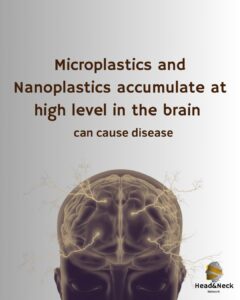
The study also finds significantly higher concentrations of microplastics and nanoplastics in 2024 samples compared to 2016 samples, and higher levels in brains from people diagnosed with dementia.
Microplastics, plastic particles fewer than 5 millimeters in size, and nanoplastics – which are even smaller at 1 to 1000 nanometers in size – have infiltrated the environment at an alarming rate as worldwide plastic use increases.
Although the study does not establish a cause-and-effect relationship between these plastic particles and dementia, it raises questions about the possible health consequences of exposure to plastics. While scientists know these plastics are in our bodies, how they impact our health is unclear.
A 2024 study found evidence that MNPs can pass through the blood-brain barrier, a selective filter that controls what can enter the brain from the bloodstream.
The researchers suggest drastically increasing concentrations of plastic particles in our homes, air, and water could be to blame, with inhalation through the nose a more direct entry point.
Microplastics and nanoplastics may be associated with increased brain disease such as dementia and brain tumours