9 IN 10 HEAD AND NECK CANCER PATIENTS ARE SMOKERS
Eighty-five percent of head and neck cancer patients are associated with smoking. The risk of developing cancer increases by 15 to 20 times when smoking is combined with alcohol consumption. Gender-wise, men are reported to be more vulnerable to head and neck cancer than women.
Smoking significantly increases the risk of developing many types of cancer. Lung cancer is the most well-known, with smoking causing about 80% of lung cancer deaths. However, smoking also elevates the risk for cancers of the mouth, larynx, pharynx, esophagus, kidney, cervix, liver, bladder, pancreas, stomach, colon/rectum, and acute myeloid leukemia. 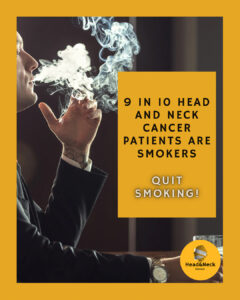
How Smoking Causes Cancer:
- Carcinogens:
Cigarette smoke contains over 7,000 chemicals, including at least 69 known carcinogens (cancer-causing substances), according to the Cancer Council NSW - DNA Damage:
These chemicals can damage or change a cell’s DNA, which acts as the cell’s “instruction manual”.
- Weakened Immune System:
Poisons in tobacco smoke can weaken the body’s immune system, making it harder to fight off cancer cells.
- Inflammation:
Smoking can also cause inflammation in the body, which can promote cancer development, according to the National Institutes of Health (NIH).
As with other diseases, early detection is crucial.