CANCER CELLS
Cancer cells are cells that divide continually, forming solid tumors or flooding the blood or lymph with abnormal cells. Cell division is a normal process used by the body for growth and repair. A parent cell divides to form two daughter cells, and these daughter cells are used to build new tissue or to replace cells that have died because of aging or damage. Healthy cells stop dividing when there is no longer a need for more daughter cells, but cancer cells continue to produce copies. They are also able to spread from one part of the body to another in a process known as metastasis.
There are different categories of cancer cell, defined according to the cell type from which they originate:
- Carcinoma
- Leukaemia
- Lymphoma
- Myeloma
- Sarcoma
- Mesothelioma
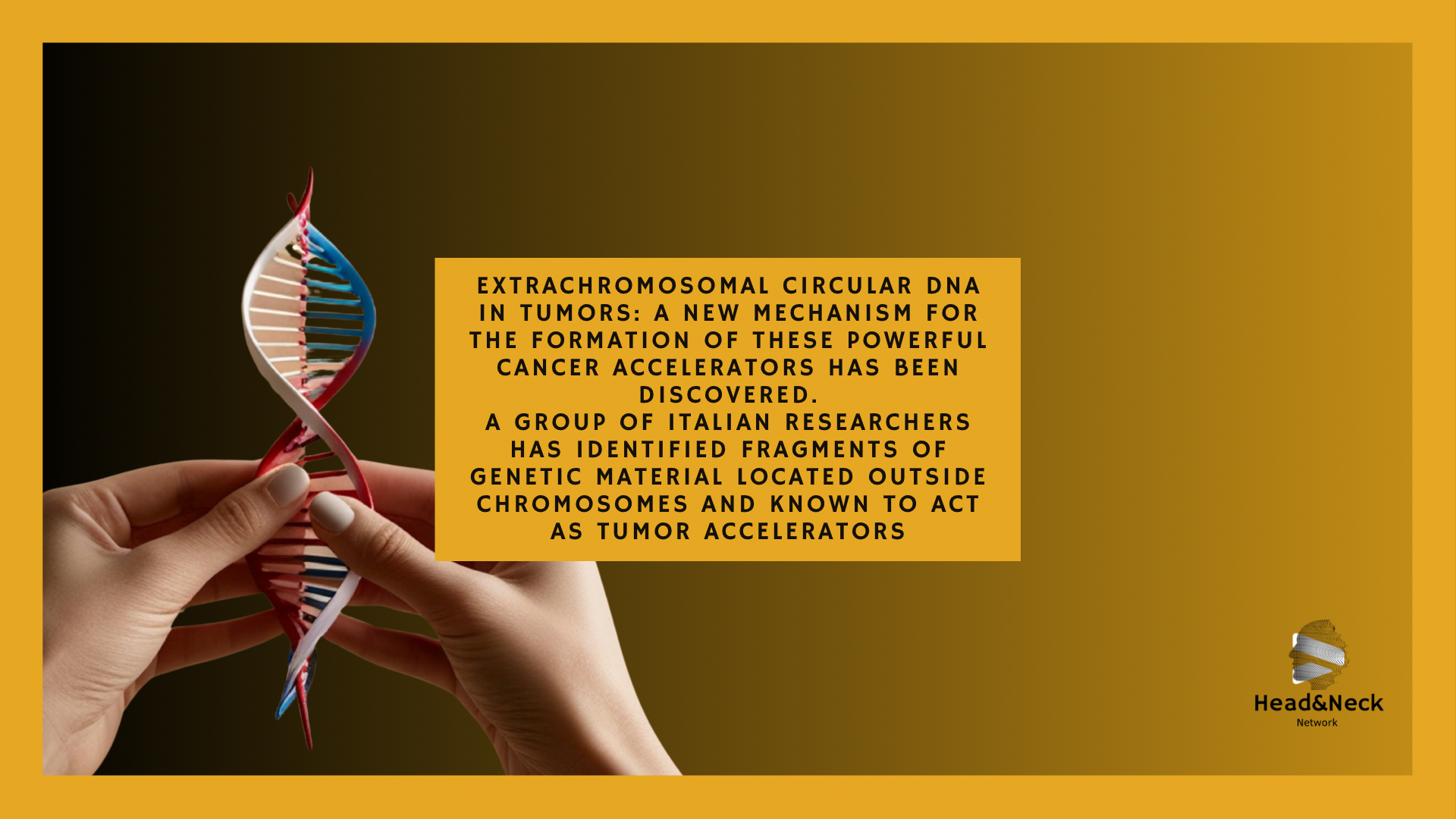
Cancer cells are created when the genes responsible for regulating cell division are damaged.
Damage to DNA can be caused by exposure to radiation, chemicals, and other environmental sources, but mutations also accumulate naturally over time through uncorrected errors in DNA transcription, making age another risk factor.
Video credit: design_cell